Other
Witch Hazel (Hamamelis virginiana): A Comprehensive Cultivation, Processing, and Use Guide
Grow witch hazel (Hamamelis virginiana): plant morphology, climate and soil needs, propagation, growth habit, and harvesting for extract.
On this page
Witch hazel (Hamamelis virginiana) is a deciduous understory tree or large shrub native to eastern North America, typically reaching 15–25 feet (4.5–7.6 m) in height with an irregular, spreading crown. It belongs to the family Hamamelidaceae, a small family of woody plants with no close relationship to true hazels (Corylus spp.) despite the common name.
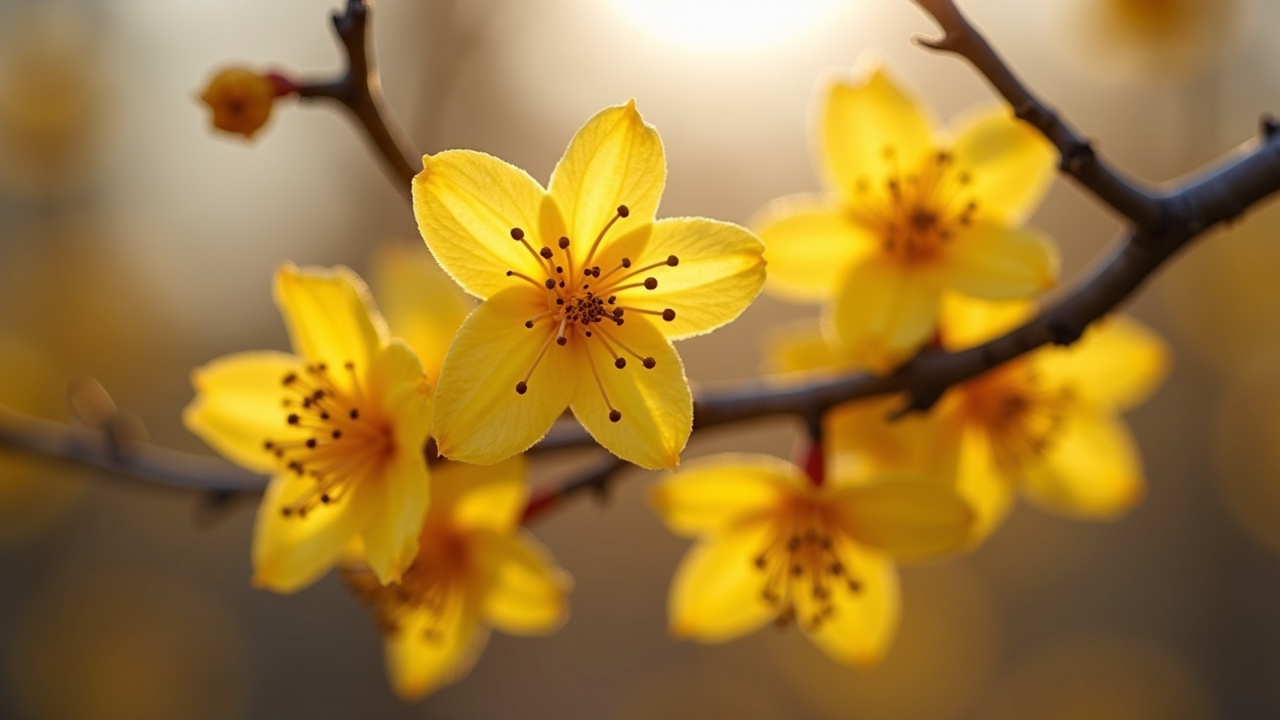
The defining characteristic of H. virginiana is its flowering period. While nearly all temperate hardwoods flower in spring, witch hazel blooms from October through December, often after leaf drop, producing clusters of fragrant, spidery yellow flowers with four narrow, ribbon-like petals 1–2 cm long. Each petal can curl inward during freezing temperatures and re-extend when conditions warm, a mechanical response that protects reproductive tissue across weeks of variable late-autumn weather. Pollination is accomplished primarily by winter-active moths and flies, with some wind pollination contributing.