Plants
How to Make a Mullein Extract: Methods, Solvents and Shelf Life
Which parts of mullein to use, which method pulls out its compounds, the solvent and ratio, safety and how long the extract keeps.
On this page
What are you extracting from mullein?
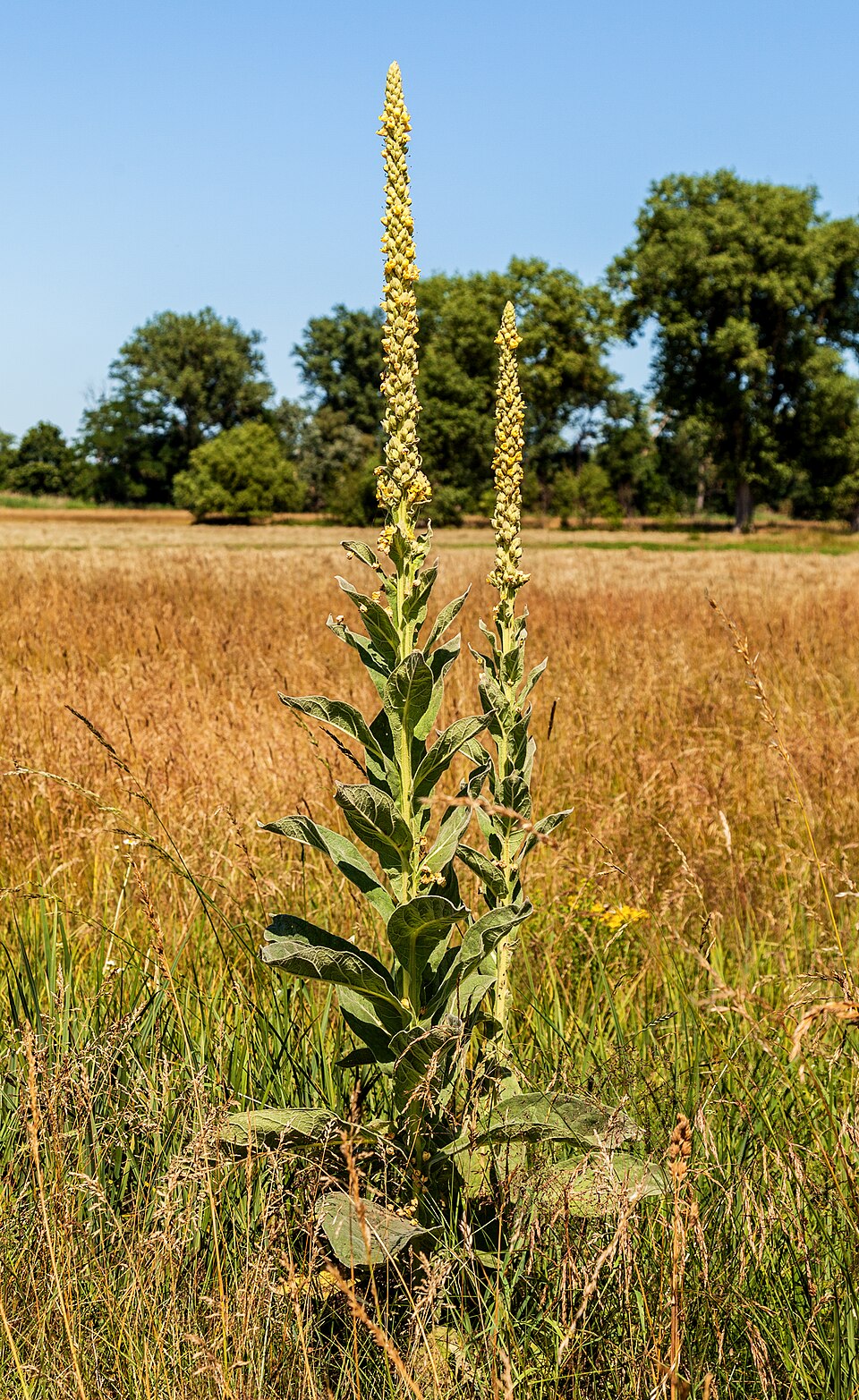
Mullein (Verbascum spp.) yields diverse compounds depending on the plant part used and the chosen method. Leaves, stems, roots and flowers all contain different concentrations of active constituents. UPLC/MS-QToF analysis shows up to 61 biomarkers can be present in a methanol extract, with variation between organs, 48 in inflorescence, 40 in leaf, 32 in stem, and 29 in root.
Key targets include polysaccharides, iridoid glycosides like harpagoside and aucubin (especially in leaves), flavonoids such as 3′-methylquercitin, hesperidin and verbascoside, saponins, and volatile oils. Phenylethanoid glycosides, notably verbascoside, are present throughout the plant. Triterpene saponins, like ursolic acid, reduce surface tension which aids in mixing phases during extraction.
Extraction choices depend on desired compounds. For a broad-spectrum extract, an ethanol tincture is versatile. Ethanol percentages should align with target molecules: 40-50% for flavonoids and general use; 60-70% for alkaloids and bitters; 90-95% for resins and volatile oils. Dilution uses distilled water to reach the desired percentage. Vodka (40% ethanol) is adequate for leaves and flowers, but lacks adjustability.
Alternatively, a glycerin extraction offers an alcohol-free option using 60% glycerin / 40% water ratios, though potency will be lower and shelf life shorter, around one to two years. Water extracts polar molecules; ethanol covers a broader range. Mucilage and polysaccharides benefit from water or low-alcohol methods.
Regardless of solvent choice, proper drying herbs is crucial before extraction. After extraction, filtering and clarifying removes particulate matter. Finally, storing extracts in airtight containers protects potency. Always prioritize solvent safety when working with ethanol.
Which extraction method suits mullein, and why?
Mullein’s chemical profile dictates the best approach to extraction. Its constituents include polysaccharides, phenylethanoid glycosides like verbascoside, saponins, and iridoids, alongside flavonoids and volatile oils. These compounds vary in polarity, meaning no single solvent captures everything equally well. [choosing a method] requires understanding this distribution.
Given the range of target compounds, an ethanol tincture is suitable. Mullein contains mucilage polysaccharides, best extracted with a higher water content. A 40-50% ethanol solution, combined with 50-60% distilled water, balances extraction efficiency for these and other constituents like flavonoids and phenolics. This ratio suits most general-purpose herbs.
While a 60-70% ethanol solution could also work, it may leave some of the mucilage behind. Lower percentages, like those found in vodka (40% ethanol), are inadequate for complete extraction, especially from tougher plant parts. Higher proof ethanol, like 90-95%, is better suited to resins and volatile oils not heavily present in mullein.
Glycerin ([glycerin extraction]) is less effective overall, yielding lower potency and a shorter shelf life (1-2 years). It does not match the capabilities of an alcohol tincture. Water extraction ([water extraction and decoction]) will capture polar compounds but misses those requiring ethanol’s solvency. CO2 extraction offers precision but requires specialized [equipment].
Proper preparation is essential: ensure herbs are thoroughly [drying herbs] before beginning. Following extraction, [filtering and clarifying extracts] removes particulate matter. Finally, store the finished tincture properly to maintain potency ([storing extracts]). Always prioritize [solvent safety] when working with ethanol, and consider [evaporating solvent] for concentrated forms if desired.
What solvent and ratio should you use for mullein?
Mullein extractions depend on desired compounds and final use. The plant contains polysaccharides, iridoid glycosides, flavonoids, saponins, and volatile oils; compound distribution varies by plant part. UPLC/MS-QToF analysis showed 61 active biomarkers across mullein’s organs, with the highest concentration in the inflorescence.
For a broad-spectrum extraction targeting most of these constituents, an ethanol tincture is suitable [ethanol tincture]. Mullein falls into the category of general-purpose herbs best extracted using 40-50% ethanol diluted with 50-60% distilled water. This ratio balances polarity for flavonoids, phenolics and many glycosides. Use food-grade ethanol only; denatured alcohol is unsafe [solvent safety].
Start with 190 proof (95%) ethanol like Everclear or organic grape alcohol and dilute to the target percentage. A 60-70% ethanol/water mix could also be used, though it may extract slightly fewer compounds. Avoid lower proofs like vodka (40% ethanol) as they are inadequate for roots or resins.
Glycerin extraction [glycerin extraction] is an alternative if alcohol is undesirable, but expect a less potent result and shorter shelf life (1-2 years). A typical glycerin ratio is 60% glycerin / 40% water. Glycerites do not equal alcohol tinctures in capability.
Apple cider vinegar or oil infusions [oil infusion] are unsuitable for comprehensive mullein extraction. These methods target specific compounds, minerals with vinegar, lipids with oil, and will not capture the full range of active constituents.
Regardless of solvent choice, proper preparation is key. Ensure herbs are thoroughly dried [drying herbs] before extraction to prevent mold and maximize yield. After extraction, filtering and clarifying [filtering and clarifying] removes particulate matter for a cleaner final product. Store finished extracts properly [storing extracts].
How do you make a mullein extract step by step?
Mullein extracts begin with properly prepared plant material. drying herbs is essential; moisture promotes mold and degrades compounds. Once dry, coarsely chop leaves, flowers, or root depending on the desired properties. Compound distribution varies by plant part, so choose accordingly.
Ethanol tincture is a common method. Begin with food-grade ethanol. Everclear (190 proof / 95% ethanol) or organic grape alcohol (190 proof) can be diluted with distilled water to achieve the target percentage based on desired compounds. Mullein’s diverse constituents benefit from several ratios: 60-70% ethanol and 30-40% water for alkaloids, glycosides, and bitters; 40-50% ethanol / 50-60% water is suitable for flavonoids, phenolics, and general use. A 25-30% ethanol / 70-75% water mix works for tannins, saponins, and mucilage.
Combine plant material with the chosen solvent in a clean glass jar. Ensure the plant matter is fully submerged. Seal tightly and store in a cool, dark place. Macerate for several weeks, shaking daily.
After maceration, filtering and clarifying removes particulate matter. Use cheesecloth or a fine mesh strainer initially, followed by coffee filters if needed.
Evaporating solvent concentrates the extract. Gentle heat aids evaporation but avoid temperatures exceeding those safe for sensitive compounds. A double boiler is recommended.
Alternatively, glycerin extraction offers an alcohol-free option. Combine plant material with a 60% glycerin / 40% water solution. Glycerin extracts fewer compounds than ethanol and has a shorter shelf life (1-2 years). It’s not a direct substitute for tinctures.
Proper storing extracts is vital. Use dark glass bottles, sealed tightly, in a cool, dry place away from light. Alcohol tinctures can last 5+ years; glycerin extracts have a shorter shelf life. Always prioritize solvent safety.
Who should be careful with mullein?
Mullein’s established constituents, polysaccharides, iridoid glycosides like harpagoside and aucubin (especially in the leaf), flavonoids including 3′-methylquercitin, hesperidin and verbascoside, saponins, and volatile oils, suggest several cautions. Individuals with existing conditions or taking medications should exercise care.
Those prone to allergic reactions must test mullein preparations cautiously. While not specifically detailed in available texts, any herbal product carries this risk.
Mullein’s mucilage content makes it a demulcent, creating a soothing coating on mucous membranes. This is beneficial for some but could theoretically interfere with absorption of oral medications. Anyone taking prescription drugs should consult a healthcare professional before regular mullein use.
The saponins present in mullein act as expectorants and may loosen mucus. Individuals who do not have excess mucus to expel, or those with certain respiratory sensitivities, should proceed cautiously.
Mullein contains verbascoside, an anti-inflammatory compound studied in vitro. While promising, established clinical data are limited. This means effects in the body are not fully understood and caution is advised for anyone with autoimmune conditions or taking immunosuppressant drugs.
Extraction method impacts safety. [Ethanol tincture] preparations using 90-95% ethanol are suitable for resins and volatile oils but require strict [solvent safety] protocols. Lower percentages, like those found in vodka (40% ethanol / 80 proof), may not extract all desired compounds. [Water extraction and decoction] is an alternative, though less efficient for some constituents. If using [glycerin extraction], remember the resulting product has a shorter shelf life (1-2 years) and lower potency than alcohol tinctures. Always perform proper [filtering and clarifying] to remove plant matter before consumption.
Proper [drying herbs] is crucial before any extraction method, ensuring minimal mold growth. Finally, always practice safe [storing extracts] away from light and heat.
Before any solvent work: use glass or stainless steel rated for the solvent, work outdoors or beside a fan pulling the vapour away from you, heat ethanol only on an electric or induction hot plate (never an open flame or a gas burner), and do not breathe solvent vapour. This guide is education, not medical advice: check with a doctor before using any herbal extract alongside medication, during pregnancy or for a child.
How do you store a mullein extract, and how long does it keep?
Mullein extracts require careful storage to maintain potency. The solvent used dictates shelf life and ideal conditions. An ethanol tincture prepared with 90-95% ethanol will remain stable for five or more years if stored properly. Lower percentages, like the 40-50% range suitable for general herbs, may have a slightly reduced lifespan but still maintain quality for several years.
Store tinctures in dark glass bottles, tightly sealed, away from direct light and heat. A cool, consistent temperature is best. Avoid exposure to fluctuating conditions. Properly stored alcohol extracts are remarkably stable due to ethanol’s preservative qualities.
A glycerin extraction using a typical 60% glycerin / 40% water ratio has a shorter shelf life - one to two years. Glycerin is susceptible to microbial growth, so maintain strict cleanliness during preparation and storage. Refrigeration can extend its lifespan but isn’t essential.
Extracts made with water, such as a water extraction and decoction, are the least stable. These require refrigeration and will only last six to twelve months. Consider adding 20% ethanol to act as a preservative if long-term storage is desired.
Regardless of solvent, always practice good hygiene during preparation. Contamination introduces microbes that degrade the extract over time. Filtering and clarifying removes particulate matter that can accelerate spoilage.
Properly dried plant material, achieved through drying herbs, is essential before extraction, as moisture promotes mold growth and reduces extract stability. Always prioritize solvent safety when handling any solvent. Refer to resources on storing extracts for detailed guidance.
Which guides go with this one?
- Ethanol tincture
- Glycerin extraction
- Drying herbs
- Filtering and clarifying
- Storing extracts
- Solvent safety
- Evaporating solvent
- Water extraction and decoction
- Choosing a method
Sources
- TRADITIONAL Eclectic / European herbal medicine - Mullein is demulcent, diuretic, anodyne, and antispasmodic. It is likewise said to possess
- TRADITIONAL Abnaki (Native American) - Pediatric -- Aid Used by children for teething. Rousseau, Jacques, 1947, Ethnobotanique Abenakise, Ar
- TRADITIONAL Documented medicinal use - Anodyne Antiseptic Astringent Demulcent Emollient Expectorant Homeopathy Narcotic Odontalgic Vulnerar
- TRUSTED general - Preparation: If taking mullein leaf in tea form, strain it well to ensure removal of any potentially irritating leaf hairs
- | harvestwhen | Fall | |
- | historycultures | Greek | |