Plants
Marshmallow Root
Grow and use marshmallow root (Althaea officinalis): botany, origin and history, climate needs, cultivation, and harvesting the soothing root.
On this page
Marshmallow (Althaea officinalis) is a perennial herb in the Malvaceae family, the same family as hibiscus, okra, and cotton. The genus name Althaea derives from the Greek altho, meaning "to heal," which tells you how long this plant has been associated with medicine.
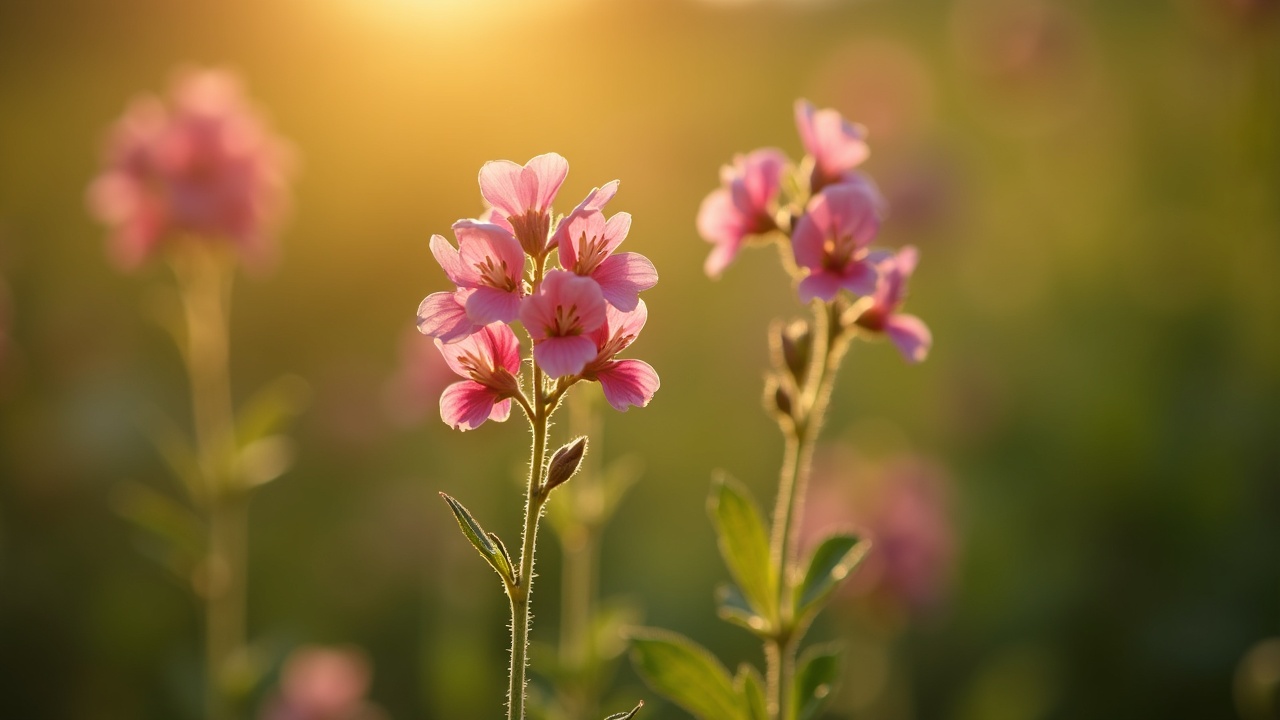
The plant reaches 3-5 feet (0.9-1.5 m) at maturity with soft, velvety leaves and pale pink to white five-petaled flowers. Every above-ground part is covered in fine, stellate hairs that give the plant its characteristic soft texture. The root system is thick, fleshy, and tapered, pale yellow to white when freshly harvested, drying to a fibrous off-white. Root tissue is where mucilage concentrates most densely, though leaves and flowers contain it in lower amounts.
Key compounds include mucilage polysaccharides (galacturonic acid polymers, rhamnogalacturonans), flavonoids (including hypolaetin-8-glucoside), phenolic acids, coumarins, and tannins. The root contains the highest mucilage concentration, up to 35% by dry weight in mature second-year roots. Leaf mucilage content runs 6-9%.