Extraction
Home Extraction Equipment: What You Need for Each Method
The basic kit for tinctures, glycerites, oil infusions, steam distillation, filtering and evaporating, and where each kind is sold.
On this page
What basic equipment does every extraction need?
Every botanical extraction, regardless of scale, requires basic tools to process plant material and capture desired compounds. First is the plant matter itself; proper preparation through drying herbs ensures efficient extraction. Next comes a solvent - water, ethanol, glycerin, or another liquid - chosen based on target compound polarity. Water excels at extracting polar molecules while CO2 and cold pressing favor non-polar ones; ethanol offers broad coverage.
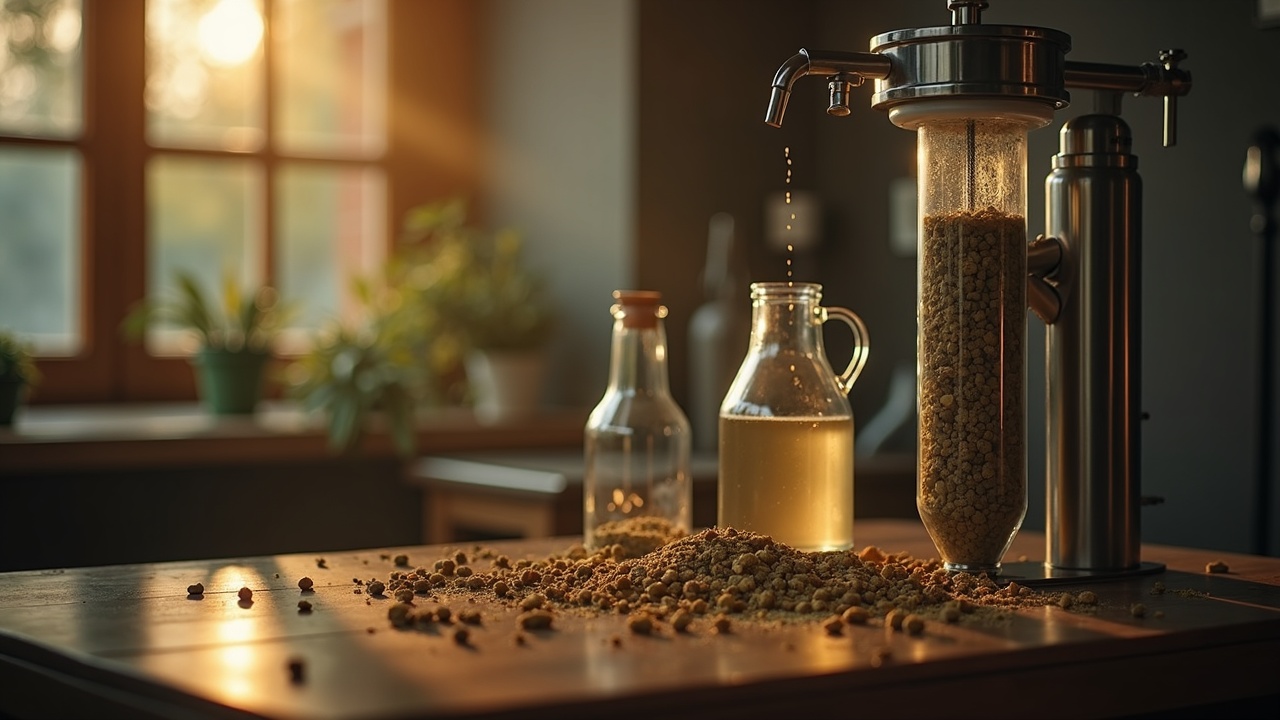
A container is essential to combine plant material with the solvent. Glass jars are ideal for most applications. For traditional methods like infusions or decoctions, a pot for water extraction and decoction suffices. More complex extractions may require specialized glassware like a percolation cone, historically used in pharmacies following standardized United States Pharmacopeia monographs.
Regardless of the solvent, separation of plant matter from liquid is necessary. Cheesecloth or fine mesh strainers work for initial filtering, followed by more refined techniques detailed in filtering and clarifying. If using ethanol as in an ethanol tincture, achieving the correct percentage - 25-30%, 40-50%, 60-70% or 90-95% depending on the herb - requires careful dilution with distilled water. Vodka, at 40% ethanol, is limited in its adjustability. Glycerin, used in glycerin extraction, typically combines 60% glycerin and 40% water.
Finally, proper storage is critical; refer to storing extracts for guidance on maintaining potency and preventing degradation. For solvent-based extractions, consider evaporating solvent if a concentrated extract is desired. Understanding these basics allows informed decisions when choosing a method and evaluating product claims. Remember to prioritize solvent safety with any liquid extraction, using only food-grade ethanol like Everclear (190 proof) or organic grape alcohol.
What do you need for tinctures and glycerites?
Tinctures and glycerites both fall under liquid solvent extraction methods, but require different approaches. Understanding these differences ensures you create the desired product with appropriate potency. [choosing a method] is key to this process.
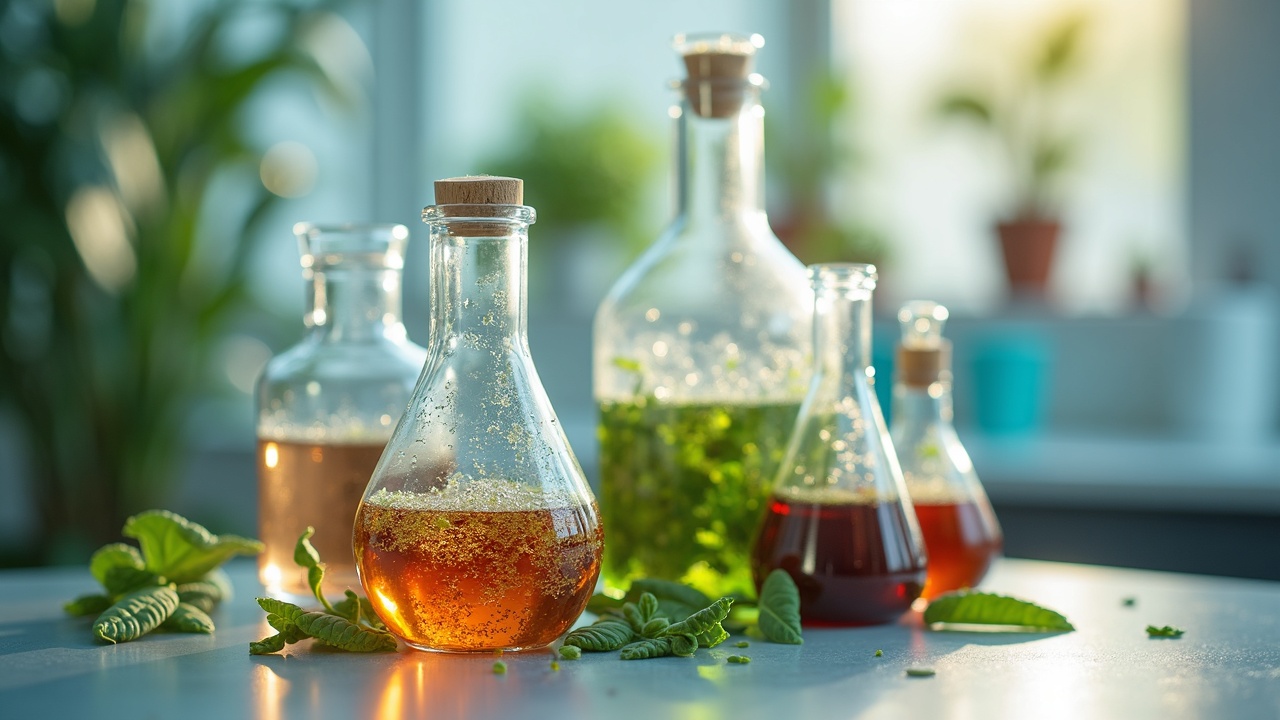
For ethanol tinctures, begin with food-grade ethanol. Options include Everclear (190 proof / 95% ethanol) or organic grape alcohol, which must be diluted with distilled water to achieve target percentages. A 90-95% ethanol solution suits resins, oleoresins, volatile oils and gums like myrrh. For alkaloids, most glycosides, and bitters found in herbs such as goldenseal, a 60-70% ethanol concentration is best. General purpose herbs like echinacea benefit from 40-50% ethanol, while tannins, saponins, and mucilage require 25-30%. Avoid denatured alcohol due to toxic additives. Vodka (40% ethanol / 80 proof) can work for some leaves and flowers but lacks adjustability. After extraction, [filtering and clarifying] is essential before [storing extracts].
Glycerites, or glycerin extractions, use vegetable glycerine diluted with water, typically at a 60% glycerin / 40% water ratio. This method offers an alcohol-free alternative, suitable for specific applications but yields lower potency than ethanol. Glycerin extraction is best suited for situations where alcohol is undesirable, like children’s preparations. [glycerin extraction] differs significantly from tinctures in terms of extracted compounds and shelf life, expect around 1-2 years compared to 5+ years for alcohol tinctures. It's crucial not to equate glycerites with alcohol tinctures; they are distinct products.
Properly dried herbs, achieved through [drying herbs], are essential for both methods. Remember solvent safety: [solvent safety] is paramount when working with ethanol. Finally, if concentrating an extract, consider [evaporating solvent].
What do you need for oil infusions?
Oil infusions are among the oldest botanical preparations. They create therapeutic oils for topical use and culinary applications. This process uses fat as the solvent to draw out plant compounds. [oil infusion] relies on gentle heat over time, not rapid dissolution like an [ethanol tincture].
Start with thoroughly [drying herbs], moisture promotes mold growth in oil. Choose a carrier oil appropriate for your intended use; options include olive oil, sunflower oil, or almond oil. Pure mechanical force via [cold pressing] creates these oils without solvents or heat.
The plant to oil ratio is flexible but generally falls between 1:5 and 1:10 by weight. A stronger infusion uses more herb material. Combine dried botanical material with the chosen oil in a clean glass jar. Ensure herbs are fully submerged; add more oil if needed.
Two primary methods exist: slow infusion and gentle heat infusion. Slow infusions involve placing the sealed jar in a cool, dark place for four to six weeks, shaking it daily. Gentle heat uses low temperatures, never exceeding 100°F (38°C), in a double boiler or slow cooker for several hours. Monitor closely to prevent burning.
After infusion, strain the oil through cheesecloth or muslin cloth using [filtering and clarifying] techniques. This removes plant matter, leaving a clear oil. Properly stored in dark glass bottles away from heat and light, oil infusions can last one to two years.
Consider that oils extract non-polar compounds like resins and volatile oils, unlike water which extracts polar molecules as described in [water extraction and decoction]. Glycerin, used in [glycerin extraction], extracts fewer compounds than ethanol or oil. Always prioritize food-grade ingredients and practice [solvent safety] when handling any solvent, even a culinary oil.
What do you need for steam distillation?
Steam distillation produces essential oils and hydrosols. It relies on heat and vapor to carry volatile aromatic compounds from plant material. This is the cornerstone of the essential oil and aromatherapy industries.
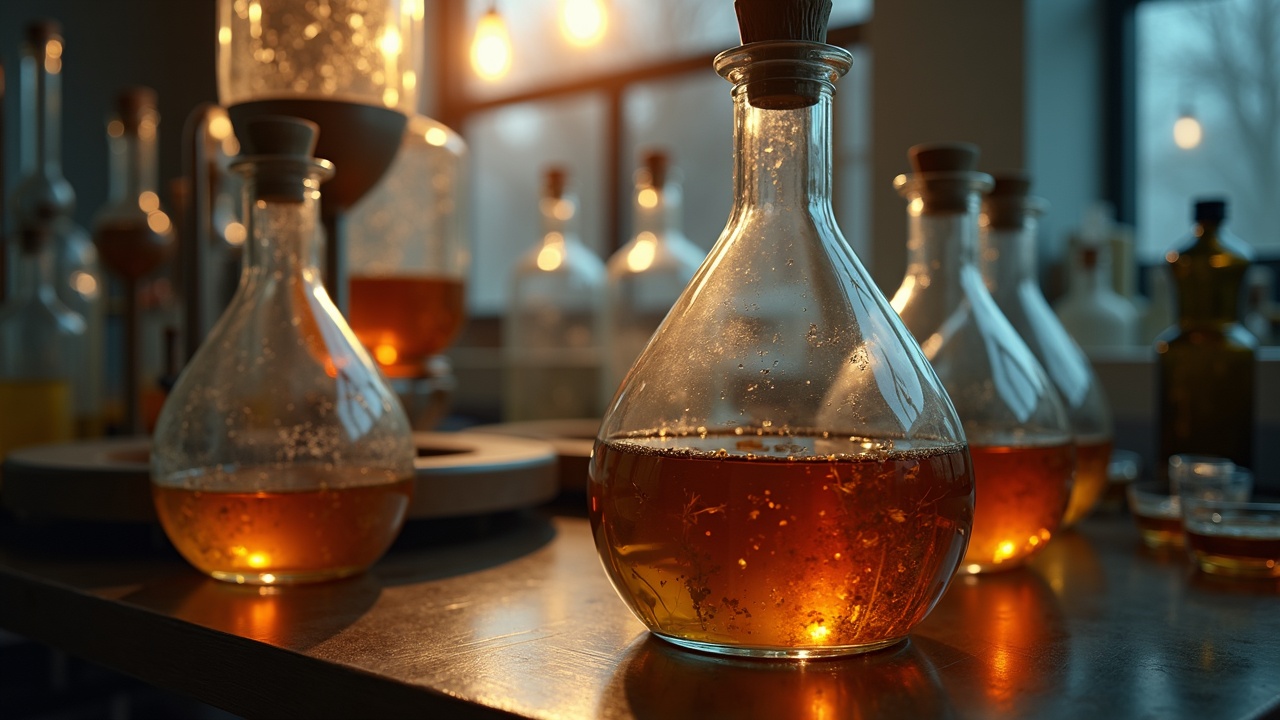
You need a still, which consists of a boiling flask, a condenser, and a collection vessel. The boiling flask holds water and plant material. A heat source heats the water; precise temperatures are not detailed in our resources but consistent heating is vital. Plant matter sits above the water, ideally on a grate to prevent direct contact with boiling water.
Steam rises through the plant material, rupturing oil glands and carrying volatile compounds upwards. The steam-compound mixture then enters the condenser, cooled by circulating cold water. This causes the steam to condense back into liquid form.
The condensed liquid, a mix of essential oil and water, collects in a separating funnel or collection flask. Essential oils are generally less dense than water and will separate, allowing for collection. The remaining water layer is called hydrosol, also valuable for its aromatic properties.
Not all plant material suits this method. It works best with aromatic leaves, flowers, and woods. Roots and resins do not yield well to steam.
Consider equipment needs carefully. Glass equipment is preferred due to its inertness. Proper setup ensures safe operation; review solvent safety even though this method uses water. Post-distillation, you may need filtering and clarifying for a cleaner product.
This technique is not the same as water extraction and decoction, which focuses on polar compounds. Steam distillation targets volatile aromatics. It differs from ethanol tincture production, which uses alcohol to extract a broader spectrum of plant constituents.
What do you need to filter and evaporate?
After liquid extraction, both solids and solvent need processing. First, separate the plant material from the liquid extract using [filtering and clarifying]. This removes particulate matter, resulting in a clearer solution. The specific filter pore size depends on desired clarity; finer filters remove more sediment but slow flow rate.
What you filter depends on your method. With [water extraction and decoction], you’ll be filtering plant fibers and cellular debris. For [ethanol tincture] production, filtration removes spent botanical material after maceration or percolation. Even with methods like [glycerin extraction], solids must be removed before further processing.
Next comes solvent removal. This is crucial for concentrate potency and shelf stability. [Evaporating solvent] requires careful temperature control to preserve volatile compounds. For ethanol tinctures, a rotary evaporator is ideal but not essential; gentle heat and airflow can achieve similar results. Avoid excessive temperatures as they degrade delicate molecules.
The choice of extraction method impacts what needs evaporation. CO2 extracts require no solvent removal because the carbon dioxide returns to gas form. [Cold pressing] and steam distillation do not use solvents at all, so there is nothing to evaporate. However, with ethanol solutions ranging from 25-30% to 90-95%, significant volume reduction is typical. A 60-70% solution used for alkaloids will still require evaporation after filtration.
Glycerin extracts, while not requiring evaporation in the same sense, may benefit from concentration via gentle heating under vacuum to remove excess water and thicken the final product. Remember that a typical ratio of 60% glycerin / 40% water is common. Always prioritize [solvent safety] when working with flammable liquids like ethanol. Proper ventilation and precautions are essential. Finally, proper [storing extracts] ensures long-term stability and potency.
Before any solvent work: use glass or stainless steel rated for the solvent, work outdoors or beside a fan pulling the vapour away from you, heat ethanol only on an electric or induction hot plate (never an open flame or a gas burner), and do not breathe solvent vapour. This guide is education, not medical advice: check with a doctor before using any herbal extract alongside medication, during pregnancy or for a child.
Which guides go with this one?
- Cold pressing
- Water extraction and decoction
- Filtering and clarifying
- Ethanol tincture
- Glycerin extraction
- Storing extracts
- Evaporating solvent
- Choosing a method
- Solvent safety
Sources
- Pure Extracts guide: extraction methods
- doi:10.1016/0038-0717(87)90052-690052-6)
- doi:10.1139/o59-099
- doi:10.1006/abio.1987.9999
- Pure Extracts guide: tincture production guide
- https://www.swsbm.com
- https://www.ecfr.gov/current/title-21/chapter-I/subchapter-B/part-111
- Pure Extracts guide: extraction steam distillation
- doi:10.1007/s00216-004-2671-5
- doi:10.1007/s002160051406
- doi:10.1016/b978-0-12-409547-2.11557-4
- doi:10.1016/j.indcrop.2008.04.017
- doi:10.1002/ffj.1226
- Pure Extracts guide: oil pressing