Extraction
How to Infuse Herbs in Oil, Butter and Honey
Olive oil, MCT oil, butter and honey infusions: which compounds they carry, warm and cold methods, preservatives and shelf life.
On this page
Which herbs and compounds suit an oil infusion?
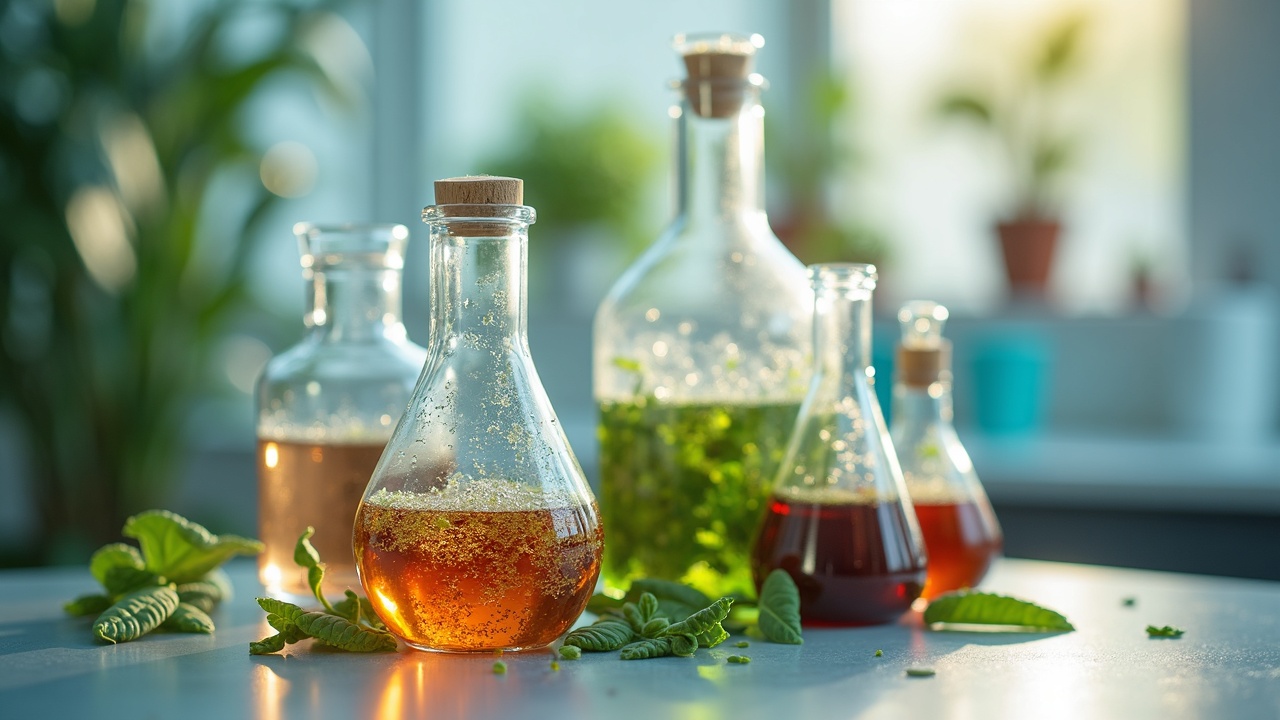
Oil infusions, [oil infusion], are ideal for extracting compounds soluble in fats. This method uses oil as the solvent to draw out plant constituents. It differs from other liquid extractions because it doesn’t use water, ethanol, or CO2. Consider what the oil will dissolve when selecting herbs.
Resins, oleoresins, and volatile oils readily infuse into oil. Herbs like myrrh, frankincense, and benzoin benefit from this approach, as do plants containing gums. The table in the [ethanol tincture] article shows that 90-95% ethanol targets these same compounds, suggesting similar herb profiles will work well in oil.
Many herbs with flavonoids and phenolics also extract effectively into oil, though not to the same degree as with a 40-50% ethanol solution. Chamomile and passionflower are examples. The gentler extraction can preserve delicate aromatic molecules lost to heat or stronger solvents.
Roots rich in saponins and mucilage do not lend themselves well to this method. Marshmallow root, slippery elm, and astragalus require water for effective extraction, as detailed in the [water extraction and decoction] guide. Similarly, herbs with high tannin content are better suited to other techniques.
Proper preparation is essential. Always use thoroughly [drying herbs] before infusing into oil. Moisture promotes mold growth. The quality of the carrier oil matters too; select a stable oil appropriate for your intended use.
While not explicitly covered in the provided texts, temperature control is important. Gentle warmth can aid extraction without degrading heat-sensitive compounds. After infusion, [filtering and clarifying] removes plant matter, followed by proper [storing extracts] to maintain quality. Remember that an oil infusion will have a shorter shelf life than an ethanol tincture.
Which oil or fat should you use?
When creating botanical extracts, the choice of oil or fat is critical. It dictates what compounds are captured and influences the final product’s characteristics. Consider your target compounds first. Water extracts polar molecules; CO2 and cold pressing favor non-polar ones. Ethanol covers a broad range, but oils and fats have their own strengths.
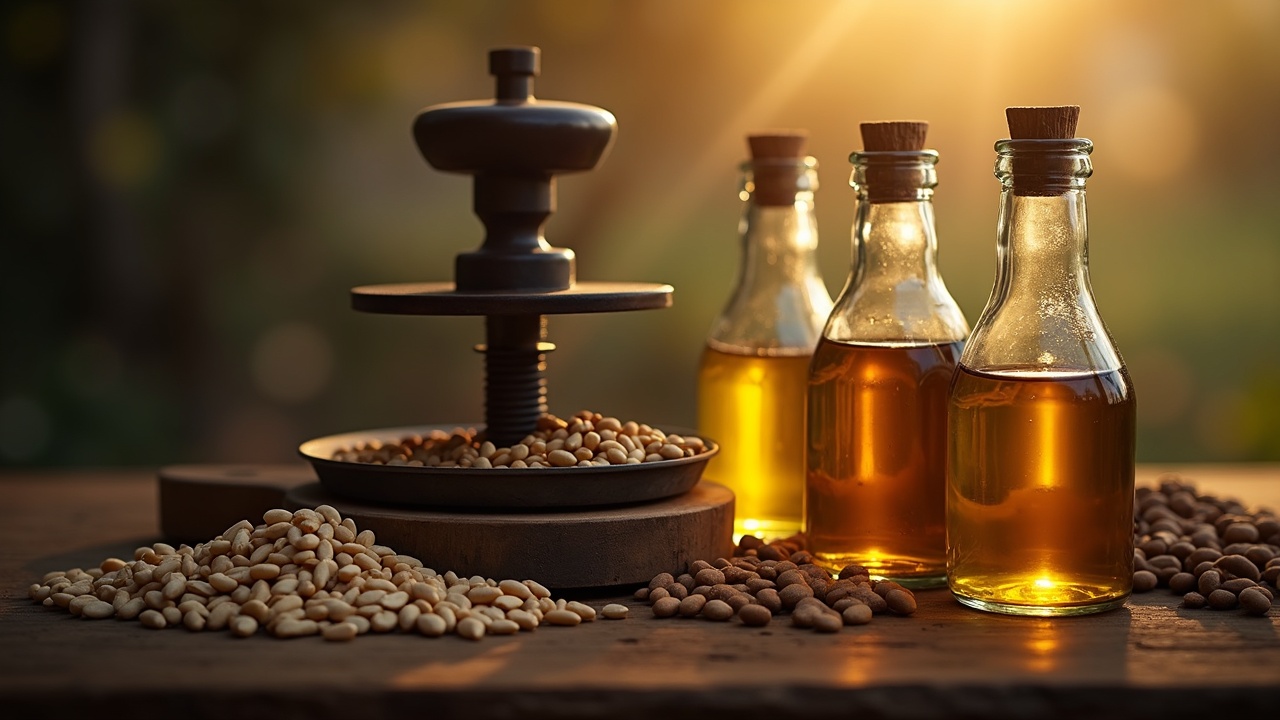
For carrier oils and seed oils, pure mechanical force via cold pressing is the method of choice. This avoids heat or solvents. If you are not using this method, consider these options.
Olive oil is a versatile option for general infusions, though it imparts its own flavor. Coconut oil excels at extracting fat-soluble compounds and offers stability. Sunflower and safflower oils are neutral in taste but more prone to oxidation; store them carefully.
The ratio of plant material to oil impacts potency. There isn’t a standardized ratio provided here, so experimentation is key. Ensure the plant matter is thoroughly drying herbs before infusion to minimize water content and prevent spoilage.
Oil infusion differs significantly from alcohol extraction like an ethanol tincture. While ethanol percentages of 90-95%, 60-70%, 40-50% or 25-30% target specific compounds, oils extract primarily lipophilic substances. Glycerin (glycerin extraction) with a typical ratio of 60% glycerin / 40% water is an alcohol-free alternative but yields lower potency. Apple cider vinegar extracts minerals and some alkaloids, but isn’t general purpose.
Shelf life varies. Alcohol tinctures can last five or more years if properly storing extracts. Oil infusions have a shorter shelf life, typically one to two years, and require refrigeration. Glycerites also have limited stability. Always prioritize solvent safety and consider the intended use when choosing a method. After infusion, filtering and clarifying removes particulate matter for a cleaner final product.
How do you make a warm or a cold oil infusion?
Oil infusions capture plant compounds in a fat-soluble medium. This is an accessible method for home herbalists, detailed in our [oil infusion] guide. Both warm and cold processes exist, each suited to different plants and desired outcomes.
For a warm infusion, begin with thoroughly drying herbs. Gently heat carrier oil, such as olive or sunflower, to around 100°F. Submerge the herb in the warmed oil, ensuring complete coverage. Maintain this temperature for several hours, monitoring carefully to avoid scorching. This method works well with resins and aromatic herbs.
Cold infusions require no heat. Combine dried plant material with carrier oil in a clean jar. Seal tightly and place in a cool, dark location for four to six weeks. Shake the mixture daily. This slower process preserves delicate compounds that degrade with warmth. It’s ideal for flowers or roots containing volatile oils.
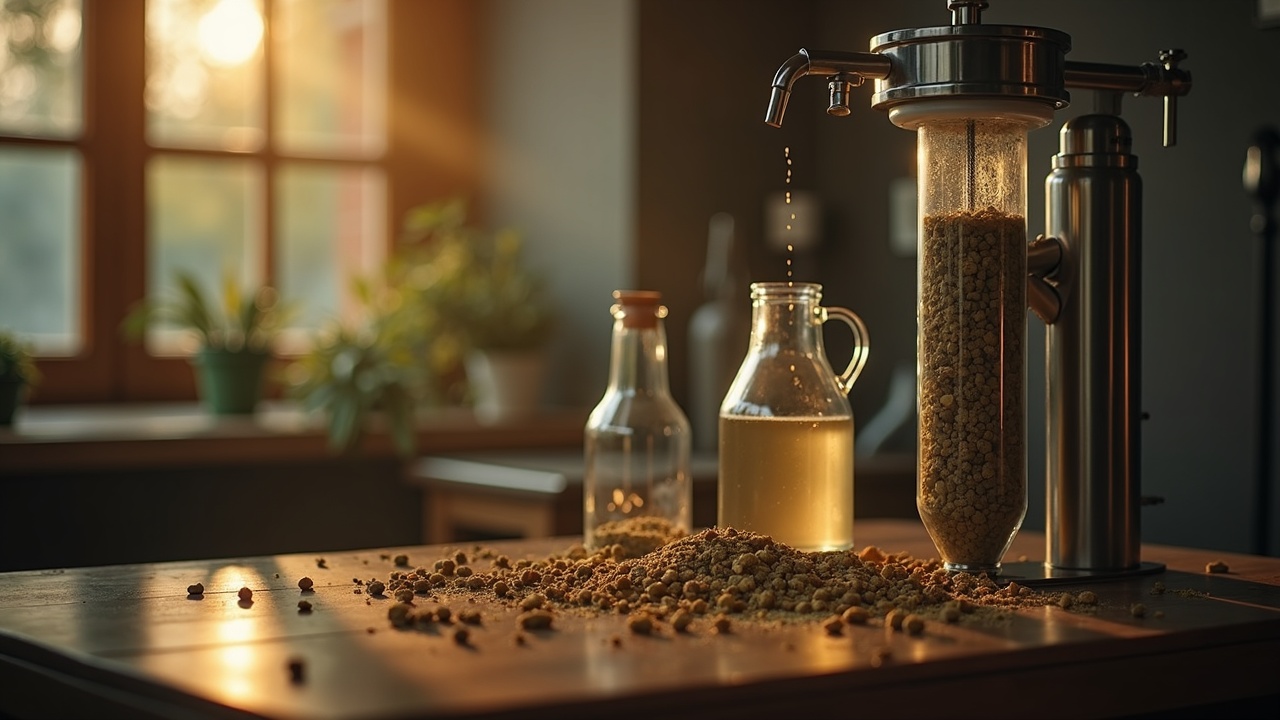
Regardless of method, use a ratio appropriate for your herb. A general guideline is one part dried herb to five parts oil, but adjust based on plant density and potency. After infusion, filtering and clarifying removes plant matter. Use cheesecloth or fine mesh strainers.
Consider the solvent’s limitations. Oil extracts far fewer compounds than ethanol, as seen in our discussion of [ethanol extraction]. Glycerin [glycerin extraction] has similar constraints. Unlike tinctures made with 90-95% ethanol for resins, oil infusions won't capture those same molecules. A 40-50% ethanol solution is better suited to flavonoids and phenolics, but oil focuses on fat-soluble constituents. Proper storing extracts in dark glass bottles extends shelf life. Always prioritize solvent safety, even with food-grade oils.
How do honey and frozen water infusions work?
Honey and frozen water infusions are both solvent-based extractions, though they differ significantly in approach. Both rely on the principle that “like dissolves like,” meaning the solvent pulls out compounds it shares chemical properties with. [choosing a method]
Honey infusions utilize honey as the solvent. Honey is primarily water and sugars, making it effective at drawing out polar plant constituents similar to [water extraction and decoction]. The process involves fully submerging dried, [drying herbs] is essential for best results, or fresh plant material in raw honey. A typical ratio isn’t specified but complete coverage is key. Over time, the honey absorbs water from the plant if fresh, or draws moisture into the plant if dry, creating a syrupy liquid rich with botanical compounds. This method excels at extracting water-soluble components like flavonoids and some polysaccharides. Honey also offers antimicrobial properties that contribute to preservation.
Frozen water infusions, sometimes called “cryo-extraction,” leverage the power of ice. Plant material is submerged in distilled water then frozen solid. As the water freezes, ice crystals form, rupturing plant cell walls. This physical disruption releases bioactive compounds into the surrounding liquid. Upon thawing, this water contains dissolved constituents. The resulting extract is a very mild [ethanol tincture] analogue; it will not pull out resins or oils.
The polarity of water dictates what’s extracted - primarily polar molecules like tannins and mucilage. Unlike honey, frozen water infusions require immediate processing after thawing to prevent spoilage. Neither method achieves the potency of alcohol-based extracts but offer unique benefits for specific applications. [storing extracts] is critical for both methods; honey has a longer shelf life than water.
How do you keep an infusion from going rancid or growing mould?
Infusions and other liquid extracts require careful handling to prevent spoilage. The primary concerns are microbial growth and oxidation, leading to rancidity. Proper preparation minimizes these risks.
Begin with thoroughly drying herbs. Any residual moisture encourages mold. Water extraction and decoction creates a particularly vulnerable product because water supports life. Alcohol helps prevent this; an ethanol tincture with 90-95% ethanol and only 5-10% water is far more stable than a simple infusion. Even at lower percentages, like 40-50% ethanol combined with 50-60% water, alcohol acts as a preservative.
If using water or low-alcohol methods, strict sanitation is essential. Sterilize all equipment before use. After extraction, filtering and clarifying removes particulate matter that can harbor microorganisms.
Storage conditions are critical. Keep infusions in airtight, dark glass bottles. Light and air accelerate oxidation. Refrigeration slows microbial growth but isn’t a long-term solution for water-based extracts. Alcohol percentages of 60-70% or higher offer better preservation at room temperature.
Consider the solvent itself. Oil infusion creates a different stability profile; oils can go rancid, but mold is less likely. Proper oil selection and storage are key. Glycerin, used in glycerin extraction, has a shorter shelf life - typically one to two years - compared to alcohol tinctures which last five years or more.
For any liquid extract, observe for signs of spoilage: cloudiness, unusual odor, or surface growth. Discard immediately if these appear. Choosing the correct choosing a method and following best practices will yield a stable, potent botanical product.
Before any solvent work: use glass or stainless steel rated for the solvent, work outdoors or beside a fan pulling the vapour away from you, heat ethanol only on an electric or induction hot plate (never an open flame or a gas burner), and do not breathe solvent vapour. This guide is education, not medical advice: check with a doctor before using any herbal extract alongside medication, during pregnancy or for a child.
Which guides go with this one?
- Cold pressing
- Drying herbs
- Ethanol tincture
- Glycerin extraction
- Storing extracts
- Solvent safety
- Choosing a method
- Filtering and clarifying
- Water extraction and decoction