Plants
How to Make a Aloe Vera Extract: Methods, Solvents and Shelf Life
Which parts of aloe vera to use, which method pulls out its compounds, the solvent and ratio, safety and how long the extract keeps.
On this page
What are you extracting from aloe vera?
Aloe vera yields over 75 compounds for extraction, categorized by location within the plant. The inner gel contains acemannan, a β-(1,4)-acetylated soluble polymannose and other polysaccharides composed of mannoses and galactose. The latex, found between rind and fillet, provides bitter phenolic substances including aloin A, which oxidizes to aloe-emodin. These are distinct extractions with different solvent needs.
Active compounds targeted include aloe-emodin, aloin, aloesin, emodin, and acemannan. Extraction choices depend on the desired compound. For acemannan and other water-soluble polysaccharides, water extraction and decoction is appropriate.
For aloin and aloe-emodin, present in the latex, an ethanol tincture offers a broader spectrum of capture. Ethanol percentages vary: 60-70% ethanol with 30-40% water suits alkaloids and glycosides; 40-50% ethanol / 50-60% water extracts flavonoids and phenolics, useful for general purpose work. Higher proof ethanol (90-95%) is best for resins like those found in the latex. Food-grade ethanol is essential; denatured alcohol is unsafe.
Considerations include solvent safety and post-extraction processing. Evaporating solvent may be necessary to concentrate extracts, followed by filtering and clarifying. Finished tinctures should be stored properly for a shelf life of 5+ years, following guidelines at storing extracts.
While glycerin (glycerin extraction) can extract some aloe compounds, it yields lower potency and is not equivalent to alcohol. Similarly, vinegar (acetic acid ~5%) targets minerals but isn’t a general replacement. The EMA monograph supports latex use for constipation with dosages of 50-200 mg. Burns have shown healing time reductions of approximately 8.79 days using aloe vera gel in clinical trials.
Which extraction method suits aloe vera, and why?
Aloe vera’s complex chemistry requires careful consideration when [choosing a method]. The plant contains over 75 compounds, including polysaccharides like acemannan, hydroxyanthraquinones such as aloin and aloe-emodin, and various vitamins and minerals. These vary in polarity, influencing solvent selection.
Given the range of target compounds, ethanol is the most versatile option. A 60-70% ethanol solution, using water to achieve that ratio, would extract alkaloids, glycosides, and bitters present in aloe vera. This percentage balances effective extraction with minimizing unwanted components. The monograph details aloin and emodin residing within the latex; these bitter phenolic substances are best captured by alcohol.
While a 40-50% ethanol solution could also be used for general-purpose extraction, it may not efficiently capture all desired compounds. Vodka (40% ethanol / 80 proof) is insufficient for complete aloe vera extraction. Glycerin extraction [/articles/glycerin-extraction] would yield some polysaccharides but lacks the broad spectrum capability of alcohol; glycerites are not equivalent to alcohol tinctures. Water extraction [/articles/extraction-water] primarily targets polar molecules and would miss key constituents like fatty acids and resins.
The inner gel, rich in acemannan, a β-(1,4)-acetylated soluble polymannose, benefits from an alcoholic solvent. The latex contains hydroxyanthraquinone derivatives; the major C-glycoside aloin A oxidizes to aloe-emodin. These are best extracted with ethanol.
Following extraction, proper filtering and clarifying is essential for a clean final product. Extracts should be stored properly [/articles/storing-herbal-extracts] to maintain potency. Always use food-grade ethanol and prioritize solvent safety.
What solvent and ratio should you use for aloe vera?
Aloe vera presents challenges for solvent selection due to its diverse compounds found in both the inner gel and outer latex. The active constituents, acemannan from the gel and aloin/hydroxyanthraquinones from the latex, require different approaches. A single extraction will not capture everything effectively, so consider your target compound when choosing a method.
For acemannan, a water-based extraction is appropriate as it’s a polysaccharide and therefore polar. However, aloe vera gel is 99% water already; direct water extraction will yield a weak product. A more effective approach utilizes an ethanol tincture with 40-50% ethanol and 50-60% distilled water. This ratio balances polarity for flavonoids, phenolics, and general-purpose herbal constituents.
Aloin and other latex compounds are better suited to higher proof alcohol. The table indicates 90-95% ethanol with 5-10% water is best for resins and related compounds. While the monograph doesn’t specify a precise ratio for aloe latex specifically, this high-proof approach will target those bitter phenolic substances.
Food-grade ethanol is essential; denatured alcohol is unacceptable due to toxicity. Everclear or organic grape alcohol can be diluted to achieve the desired percentage.
Glycerin (glycerin extraction) is not recommended as a primary solvent for aloe vera, given its lower extractive capacity and resulting potency differences compared to ethanol. Vinegar tinctures are also unsuitable for comprehensive aloe vera extraction.
After extraction, filtering and clarifying will remove particulate matter. Proper storing extracts in airtight containers away from light and heat is crucial to maintain potency. Remember that shelf life for glycerin tinctures is shorter (1-2 years) than alcohol tinctures (5+ years).
How do you make a aloe vera extract step by step?
Aloe vera extracts depend on which part of the plant is used and the intended application. The inner gel and outer latex yield different compounds requiring distinct approaches. [choosing a method] will help determine the best solvent for your goals.
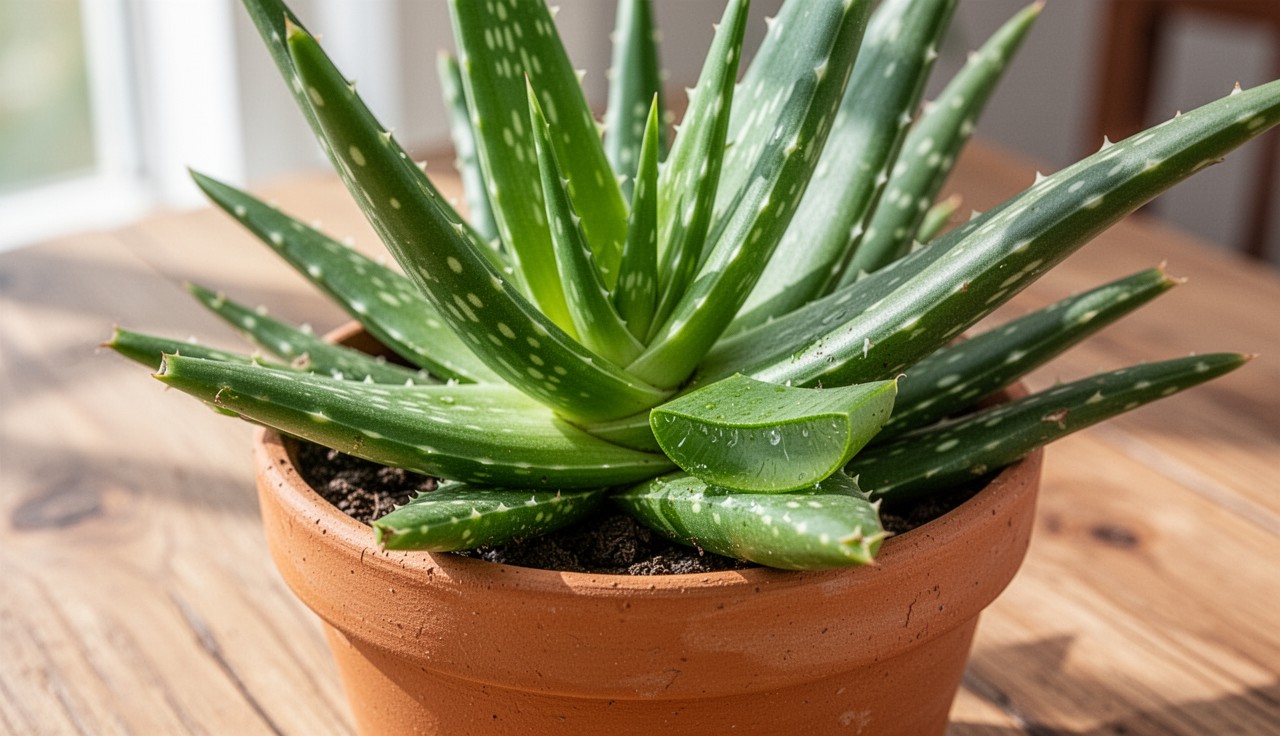
To make an aloe vera extract from the gel, begin with properly prepared material. Ensure the aloe leaf is mature, then fillet out the clear gel and remove any aloin-containing layer near the rind. This minimizes bitter compounds.
For a traditional alcohol tincture, use food-grade ethanol. A 40-50% ethanol solution is suitable for extracting flavonoids, phenolics, and other general-purpose constituents found in aloe vera gel. Combine plant material with the chosen solvent. The ratio depends on desired potency and starting material dryness; ensure herbs are thoroughly [drying herbs] before extraction.
Macerate the mixture in a sealed container away from direct light. Agitate daily for several weeks to maximize extraction efficiency. After maceration, proceed with [filtering and clarifying extracts] to remove plant matter.
For those preferring an alcohol-free option, consider a [glycerin extraction]. Combine aloe vera gel with vegetable glycerine at a typical ratio of 60% glycerin / 40% water. The process is similar to the tincture method: macerate, agitate, and filter. Glycerites have a shorter shelf life (1-2 years) than alcohol tinctures.
The latex contains anthraquinones like aloin. These are best extracted with higher proof ethanol, 90-95%, to dissolve resins and other non-polar compounds. Aloin possesses laxative properties, so use caution when working with this material.
Regardless of the solvent used, [solvent safety] is paramount. After extraction, if using ethanol, consider [evaporating solvent] to concentrate the extract. Store finished extracts in airtight containers away from light and heat; refer to [storing extracts] for best practices.
Who should be careful with aloe vera?
Aloe vera is generally considered safe for many applications, but certain individuals should exercise caution. The latex, found between the rind and inner fillet gel, contains anthraquinones like aloin A and aloe-emodin; these compounds cause a laxative effect. The EMA monograph recommends limiting use to short-term treatment - no more than one week - for occasional constipation in adults and adolescents over 12 years of age. Germany’s Commission E approved dosages of 50-200 mg of aloe latex, taken once daily for up to ten days. Prolonged or excessive laxative use can lead to electrolyte imbalances and dehydration.
Individuals with kidney problems should avoid aloe vera due to potential interactions. Those with intestinal disorders, such as Crohn’s disease or ulcerative colitis, may experience worsened symptoms. Aloe vera can lower blood sugar; people with diabetes need to monitor their glucose levels closely if using it internally.
Pregnant and breastfeeding individuals should not use the latex portion of the plant, given its stimulant effects. Topical application of aloe vera gel is generally safe, but those with sensitive skin should perform a patch test first.
Drug interactions are possible. Aloe vera juice has demonstrated in-vitro inhibition of CYP3A4 and CYP2D6 enzymes; this means it may affect how certain medications are metabolized. Consult a healthcare provider before combining aloe vera with any prescription drugs.
When preparing extracts, remember that the method impacts what is pulled from the plant. [ethanol tincture] is effective for alkaloids, most glycosides, and bitters, using between 60-70% ethanol/30-40% water ratios. For a non-alcoholic option, consider [glycerin extraction], though potency will be lower and shelf life shorter (1-2 years). Proper [drying herbs] is essential for all methods. Always prioritize [solvent safety].
Before any solvent work: use glass or stainless steel rated for the solvent, work outdoors or beside a fan pulling the vapour away from you, heat ethanol only on an electric or induction hot plate (never an open flame or a gas burner), and do not breathe solvent vapour. This guide is education, not medical advice: check with a doctor before using any herbal extract alongside medication, during pregnancy or for a child.
How do you store a aloe vera extract, and how long does it keep?
Aloe vera extracts require careful storage to maintain potency and prevent degradation. Storage methods depend on the solvent used during extraction. An ethanol tincture will last longest - five years or more if stored correctly. Use dark glass bottles, tightly sealed, kept in a cool, dark place away from direct sunlight and temperature fluctuations.
If glycerin was used for a glycerin extraction, the shelf life is shorter, around one to two years. Glycerin’s viscosity makes it prone to microbial growth; refrigeration extends its usability. Monitor for changes in color, odor or consistency.
Extracts made with water, such as a strong decoction from water extraction and decoction, are the least stable. Refrigerate immediately and use within six months. Freezing can extend shelf life but may alter texture.
Regardless of solvent, proper preparation is key. Ensure all plant material is thoroughly dried before extraction using drying herbs will yield a different product with potentially different stability requirements.
Which guides go with this one?
- Water extraction and decoction
- Ethanol tincture
- Evaporating solvent
- Filtering and clarifying
- Storing extracts
- Glycerin extraction
- Solvent safety
- Choosing a method
- Co2 extraction
Sources
- TRADITIONAL Eclectic / European herbal medicine - Tonic, purgative, emmenagogue, and anthelmintic. In doses of from ½ grain to 1 grain, 2 or
- TRADITIONAL Documented medicinal use - for Cancer, Emmenagogue, Emollient, Laxative, Miscellany, Purgative, Skin, Stimulant, Stomachic, Toni
- TRUSTED general - Preparation: Juice: Adults should start with 1–2 tbsp. per day, and gradually build up to 3-6 tablespoons per day (dependi
- TRUSTED general - Two small studies suggest that topical application of aloe gel, in combination with other forms of treatment, may improve
- Restorative Medicine —
- MSK About Herbs —
- | harvestwhen | Spring | |
- | ancientrecords | Codex | |